Balochistan's Insurgency Is Turning Security into a Development Cost
20 Aug 2026 12:16 PM
Pakistan counts militants killed to the digit. It does not routinely measure whether goods can still move through Balochistan.
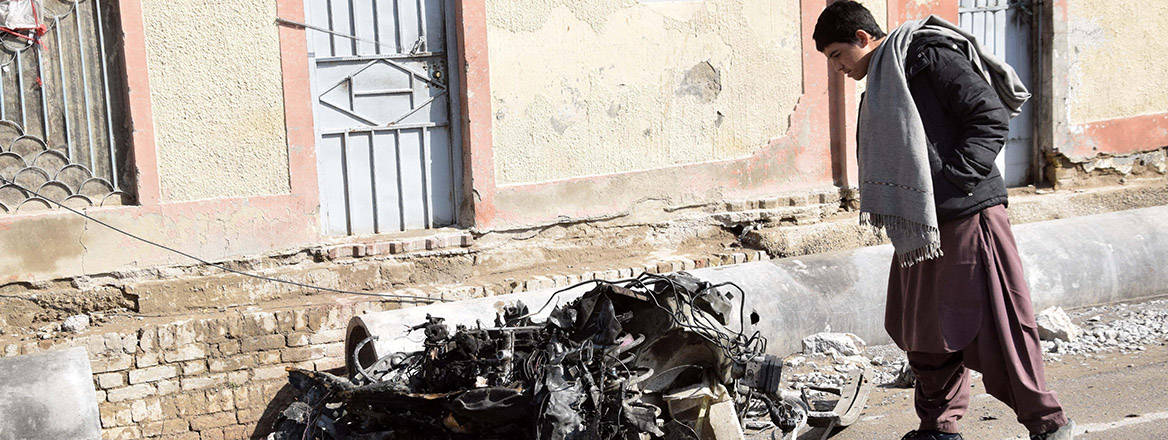
Around mid-July, armed men blocked the N-40, the highway that runs west from Quetta to the Iranian frontier, at Nokcha in Chagai district. They stopped five oil tankers heading for the border town of Taftan and burned them. Police confirmed the incident and said the attackers left on motorcycles before security forces arrived. The oil tankers were empty and had come back to fetch Iranian oil. There were no killings.
On its own, the attack reads as one more entry in a long ledger. At a traders' meeting in Quetta in June, the secretary general of the Pakistan Mines Owners Association observed that the burning of cargo trucks was not a new problem and had continued since 1995.
He is right. The tactic is not new. Balochistan's separatists have been attacking transport and infrastructure for decades. Railways, pipelines, power transmission towers and road convoys have all been targeted before. What has changed is how these attacks are being understood. What is new is not the attack. It is the reaction.
Click here for the full press release