Bucks farm thriving for decades thanks to countryside schemes
26 Jul 2024 10:51 AM
Buckinghamshire farmers George and Ann Eaton make exemplary use of agri-environment schemes to benefit their farm and the environment.
Natural England is proud to spotlight Rectory Farm in Buckinghamshire, where dedicated farmers George Eaton and his wife Ann have entered Countryside Stewardship (CS) schemes since the 1980s.
The farm entered the first agri-environment scheme run by the Countryside Commission in the 90s and has used Stewardship to create and manage a wide range of high-value habitats.
Rectory Farm exemplifies the transformative impact of these schemes, showcasing a thriving ecosystem nurtured alongside productive farming. Working with farmers over a long period of time to build relationships and influence long term environmental improvements on the farm has been key to the successes at Rectory Farm.
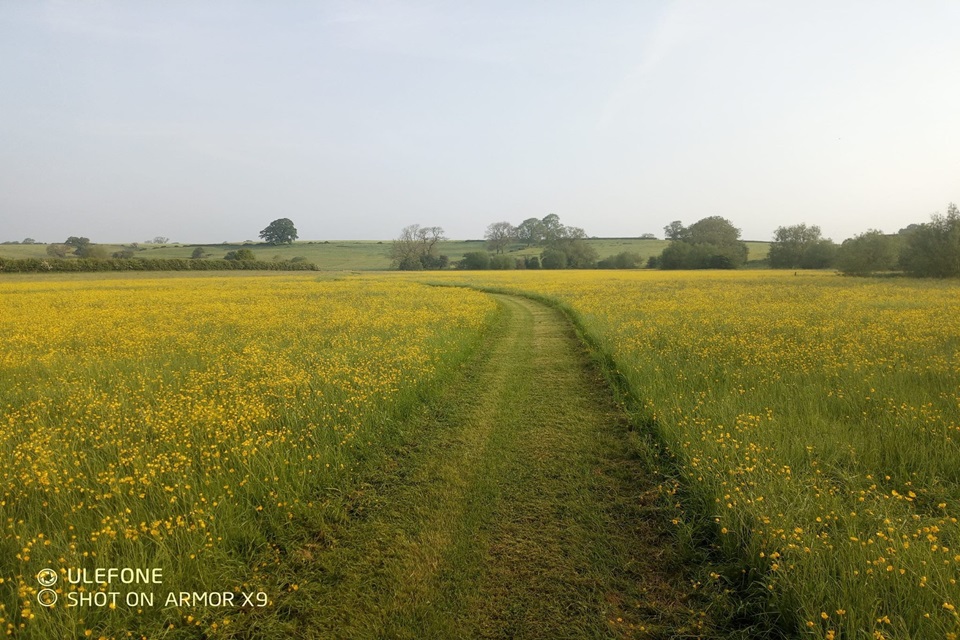
Rectory Farm meadows
George and Ann’s commitment to sustainable farming is obvious in his thorough approach to land management. With guidance and support from Natural England they have successfully tapped into numerous funding opportunities. This collaboration has allowed them to implement a range of conservation measures that benefit both the farm and the environment.
Andrew Russell, Natural England senior officer – land management (catchment sensitive farming), said:
“George and Ann go above and beyond, ensuring the habitats created on their farm are managed to the highest quality. Ultimately, the careful and proactive use of agri-environmental schemes over the past few decades has made this farm a model of what can be achieved when the tools available are effectively implemented.”
Under the current higher-level stewardship (HLS) agreement, George and Ann have transformed Rectory Farm into a sanctuary for wildlife.
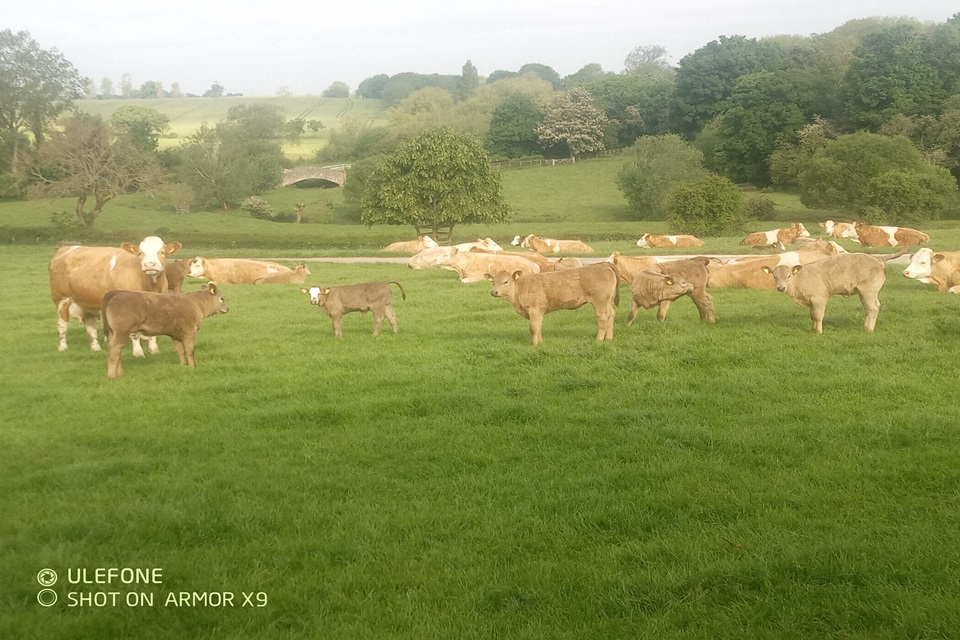
Cows at Rectory Farm
Key initiatives include:
- Species-Rich Grassland: Areas dedicated to species-rich grassland support a plethora of wildflowers and insects, contributing to the farm’s biodiversity.
- Floristically Enhanced Grass Margins and Nectar Flower Mixes: These provide vital resources for pollinators and other beneficial insects.
- Buffer Strips and Wild Bird Seed Crops: These have been created and provide an extensive area for wildflower, insect, mammal and farmland bird species.
- Wet Grassland Management: Essential habitats for wintering waders and wildfowl, offering refuge to red-listed bird species during the colder months.
- Habitat Diversification: The addition of ponds, successional scrub, drying tracks, and an extensive network of hedgerows further adds to the biodiversity of the farm and enhances the farm’s ecological value.
Rectory Farm’s contributions extend beyond ecological improvements. The farm serves as an educational hub, hosting school visits sponsored by Natural England. These visits provide students with hands-on learning experiences, fostering a greater understanding and appreciation of sustainable farming practices.
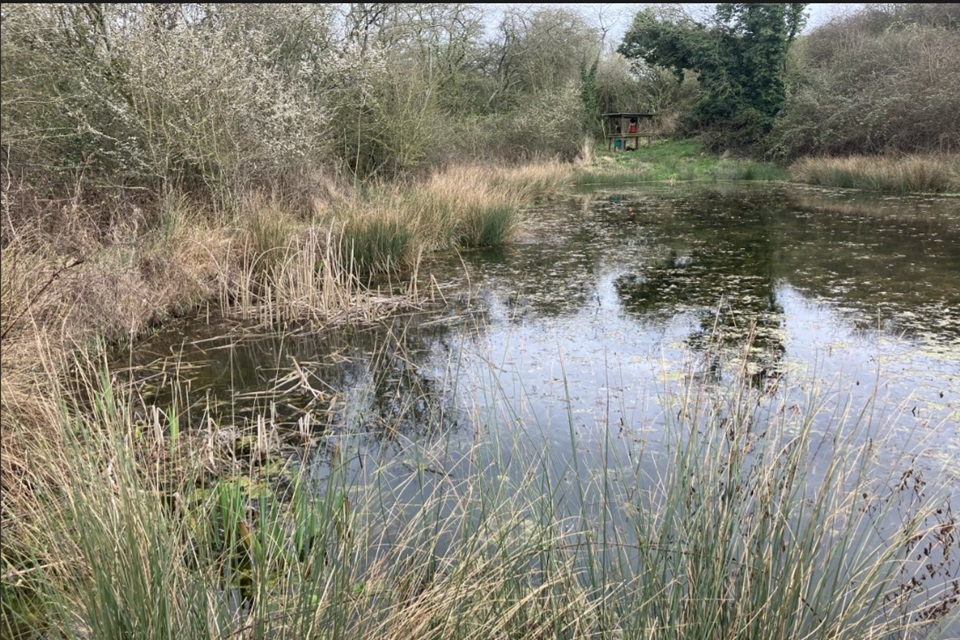
The pond made by George Eaton at farm
Reflecting on their journey, George said:
“I’ve been working with Natural England for 19 years. Thanks to their advice, I’ve been able to implement diverse habitat management practices at Rectory Farm. Through schemes like HLS, and with Natural England’s help in accessing essential funding, we’ve significantly enhanced the farm’s biodiversity. This collaboration has not only benefited the environment but also strengthened the farm’s productivity and resilience.
“Andrew from Natural England understands mixed farming and his wide-ranging advice has enabled us to use stewardship and CSF funding options to improve habitats and the provision of environmental food. His help has led to the re-introduction of water voles to the Great Ouse, creation of flower rich water meadows and a very noticeable improvement in the biodiversity of hedges. Andrew’s advice and stewardship funding have been crucial to the environmental improvements on the farm.”
Notes to Editors
- Rectory Farm is a mixed farm with beef, sheep and arable.
- Flower-rich grass margins or plots provide important habitat and foraging sites for invertebrates, including wild pollinators such as bumblebees, solitary bees, butterflies and hoverflies, and farmland birds like the yellowhammer.
- Wet grassland management – many wet grasslands provide very valuable habitat for breeding and over-wintering birds. Wet grassland also contains seasonal water-filled hollows, permanent ponds and networks of ditches which can be very important for a number of invertebrate, amphibian, reptile, mammal and plant species.
Contact
Defra Group press office: Communications_SE@environment-agency.gov.uk / 0800 141 2743