Building the Next Generation of Resilience
13 Oct 2026 01:13 PM
The UK Resilience Academy (UKRA) is committed to enabling a resilient society, and that starts with the people who will shape it. Our youth engagement programme introduces 16 to 22 year olds to the world of resilience, emergency management, humanitarian response and public service, and shows how they can contribute to a safer and more secure future.
Rosehanna Chowdhury, CEO, UK Resilience Academy, said:
"It's really easy to think of young people as just the future leaders of tomorrow, and of course they are that, but they are also active citizens shaping communities today."
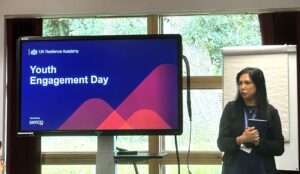
What is resilience?
Resilience is how individuals, communities and organisations prepare for, respond to and recover from disruption, from severe weather and cyber incidents to public health emergencies.
No prior knowledge or experience is needed to get involved.

Engaging young people in resilience
Working alongside practitioners from government, humanitarian organisations and our affiliates, we give young people a practical insight into how the UK protects its communities. Through our youth engagement activities, young people:
- Discover how organisations work together before, during and after an emergency
- Apply their learning through realistic, scenario-based exercises
- Develop teamwork, communication and problem-solving skills
- Hear first-hand from professionals about their work and career journeys
- Explore education, volunteering and career pathways in resilience and public service
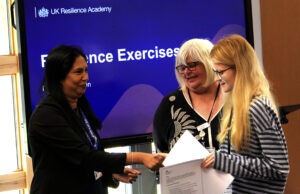
Why it matters
Better decisions bring better outcomes for our communities. Many young people have not yet seen the range of roles that exist in emergency planning, humanitarian response and public service. By raising awareness early, we help build a society that is better informed, better prepared and more engaged in its own resilience.
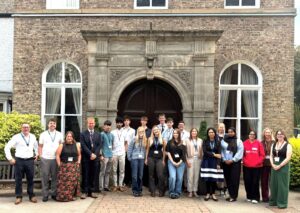
This is what previous students have had to say..…
“The event helped me to understand the role of resilience and planning for disasters as well as the wide range of jobs in the resilience sector.”
“I hadn’t previously appreciated the complexity of emergency response arrangements or the extent of collaboration required between organisations during major incidents.”
“By getting involved in the day I learnt there are a lot more types of risks that I didn't know about ”