Burnham’s Makerfield Test: Home Gains or Global Risks?
28 Jul 2026 11:32 AM
Burnham’s Makerfield Test will reshape UK foreign policy. But will it deliver real benefits at home, or risk isolationism and strained alliances abroad?
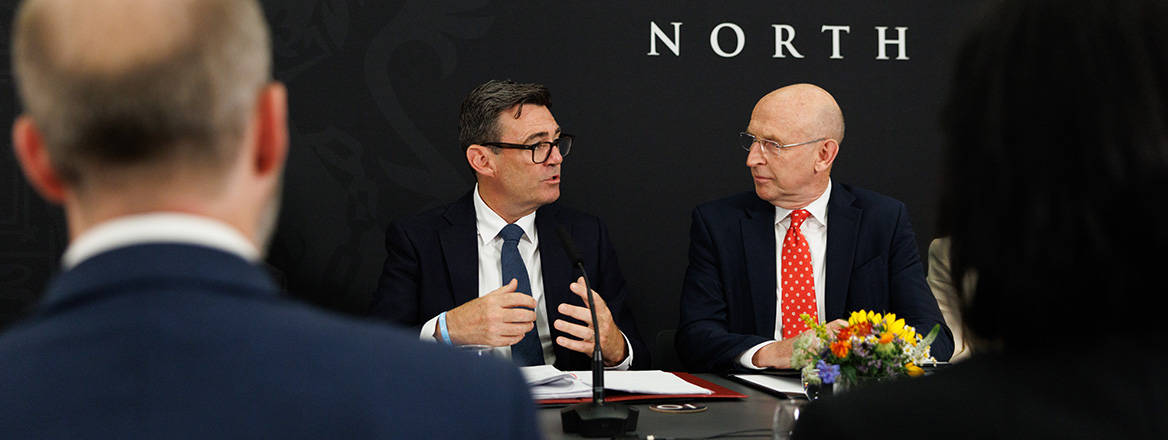
Britain has a new Prime Minister, and he has a plan. Andy Burnham’s Makerfield Test – reminiscent of both former US President Joe Biden’s foreign policy for the middle class and current US President Donald Trump’s America First doctrine − promises to apply a domestic lens to international affairs and ensure that the UK’s foreign and security policy benefits the average citizen. Under this framing principle, decisions on trade, energy, development aid and defence investment must not only produce the right foreign and security policy outcomes or elevate the UK’s international standing, but also deliver tangible domestic returns.
While Prime Minister Burnham’s first week in office centred on introducing his cabinet and delivering some early wins on his affordability agenda, the world won’t wait. International security issues, from Ukraine and European defence to the widening conflict in the Middle East, demand his attention, with allies and partners eager for UK leadership and support in tackling them. For a middle power like the UK, which is reliant on its global, export-driven economy for prosperity and on collective security guarantees in NATO for its security, successfully navigating these external challenges is critical to security at home.
Early indications are that Burnham appreciates this dynamic. In an opinion piece published shortly before his appointment, he writes that ‘keeping people safe’ is the first responsibility of any government, and ‘ordinary lives and local prosperity are impacted by global events’. From cyberattacks on critical infrastructure to rising energy costs due the war in Ukraine and conflict with Iran, national security challenges affect people’s daily lives. He promises to prioritise stability ‘where it matters most’, namely at home in the UK and in its immediate North Atlantic and European neighbourhoods, and to leverage the UK’s allies and partners around the globe. He suggests that the UK nuclear deterrent, nearly synonymous with UK sovereignty, will be preserved, and the UK’s NATO commitments met.
Click here for the full press release