Middle Powers and the Illusion of a Post-America Middle East
29 Oct 2026 12:15 PM
Gulf diplomacy fuels claims of a middle-power moment, but the Iran war exposes limits to strategic autonomy and enduring US supremacy.
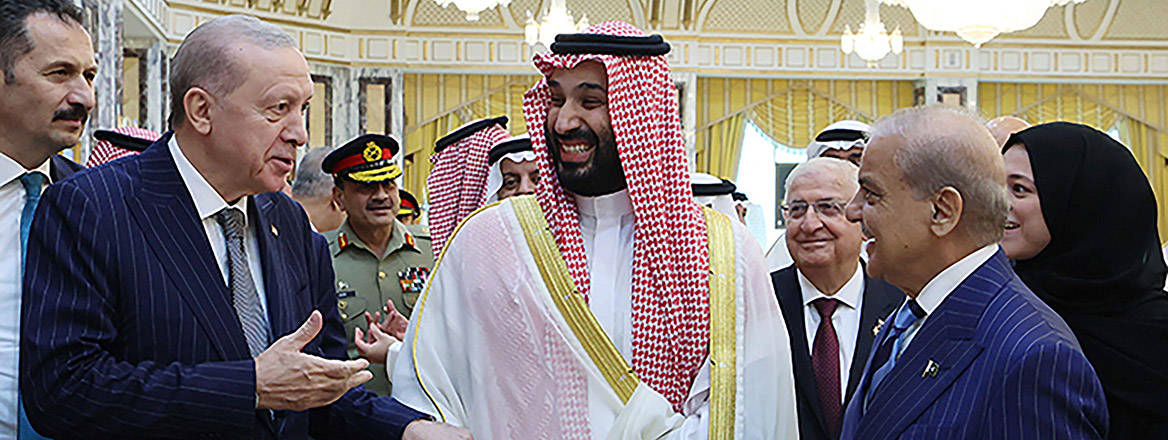
Intensifying US–China rivalry, the erosion of post-Cold War certainties and recurring doubts over the durability of American leadership on the global stage have helped propel one of the more fashionable ideas in contemporary foreign policy debates – the rise of the world’s ‘middle powers’ into more autonomous and consequential actors, capable not merely of hedging between great powers but of shaping the regional orders around them. Nowhere does the thesis appear more compelling than in the Gulf region, where states have converted energy, capital, geography and increasingly active roles in mediation into influence far beyond their size. These states have diversified their relationships, expanded their diplomatic reach and have become more willing to resist the preferences of the US, even as Washington continues to maintain the post-Cold War security architecture in the region.
Both the UAE and Saudi Arabia engage China and Russia, working closely with both countries on mutual economic and security interests, while retaining their longstanding alliance with Washington. Qatar mediates conflicts involving actors Washington cannot easily reach or engage directly and has expanded ties with China, even as a Major Non-NATO Ally to the US. These states are less wholly dependent on the US, more autonomous and more active than they were during much of the post-Cold War period.
Their greater agency and diplomatic reach can be read in two ways: a transformation from bystanders to consequential players in the global international order or as evidence that a more contested system has simply created greater room for manoeuvre beneath the level of great-power primacy.
Click here for the full press release