NICE guideline set to address variation in provision of services for adults with cerebral palsy
16 Jul 2018 01:10 PM
NICE has published a draft guideline on the care and support adults with cerebral palsy should receive. It outlines the steps needed to address the variation in the provision of specific services for adults with cerebral palsy and aims to help local and regional services to provide consistent clear
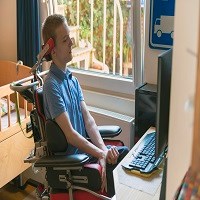
Professor Mark Baker, director of the centre for guidelines at NICE, said: “Adults with cerebral palsy have a wide range of abilities – from full independence in everyday life to needing 24-hour care and attention. But irrespective of their level of disability, adults with cerebral palsy should be able to be as functionally independent as possible. Many may wish to go into further education, gain employment, participate in leisure activities and contribute fully to society. Barriers to these goals should be minimised so that adults with cerebral palsy have equal access to all opportunities.
“This guideline aims to ensure that adults with cerebral palsy have easy access to equitable, cost-efficient services, with a clear network of referral to more specialised services as appropriate.”
Recommendations in the draft guideline include:
- Specialist services should develop pathways that allow adults with cerebral palsy access to a local network of care (for example learning disability and mental health services, rehabilitation medicine or specialist neurology services, specialist physiotherapy and occupational therapy services, wheelchair services).
- Recognise and address barriers to accessing primary and secondary care for adults with cerebral palsy (these may include physical access to buildings, difficulties with transport, inadequate time given in appointments to allow, for example, hoisting and dressing, and communication challenges).
- Provide information about national screening services (for example breast, colon and cervical cancer screening) to adults with cerebral palsy.
- Consider regular reviews for adults with cerebral palsy, tailored to their needs and preferences. Agree with the person the frequency of review and which services should be involved based on their needs and preferences.
Cerebral palsy is a permanent, non-progressive abnormality of the brain and is the most common cause of physical disability in children and young people in the developed world. Improved treatments have seen increasing life expectancy for people with the condition, including more children with severe and complex cerebral palsy who are likely to live beyond childhood. There are now more adults in the UK living with cerebral palsy than the estimated 30,000 children with the condition.
Adults with cerebral palsy can have a decrease in their mobility because of factors such as muscle tone, weakness and pain. These, as well as other symptoms associated with cerebral palsy such as pain, mental health problems, communication difficulties and nutritional problems, are also be a high priority for management and are therefore covered in the draft guideline.
Last year NICE published a guideline on cerebral palsy in children and young people aged under 25 to help improve the diagnosis and management of cerebral palsy and reduce variation in clinical practice across the country. Because the problems this population faces continue into adulthood, the draft recommendations in this new guideline on interventions for adults with the condition – for example the use of augmentative and alternative communications systems to help improve communications skills – largely reflect those for children and young people.
The guideline is available for public consultation until 28 August.