Recovering histories of Scandinavian seafarers in the Prize Papers
4 Jun 2026 12:24 PM
On a three-month placement at the National Archives, Kaia Sollie explored records about Danish, Swedish, and Norwegian seafaring in the seventeenth century, from the Prize Papers project. These records shed light on the lives of sailors caught between battling empires during the Nine Years' War.
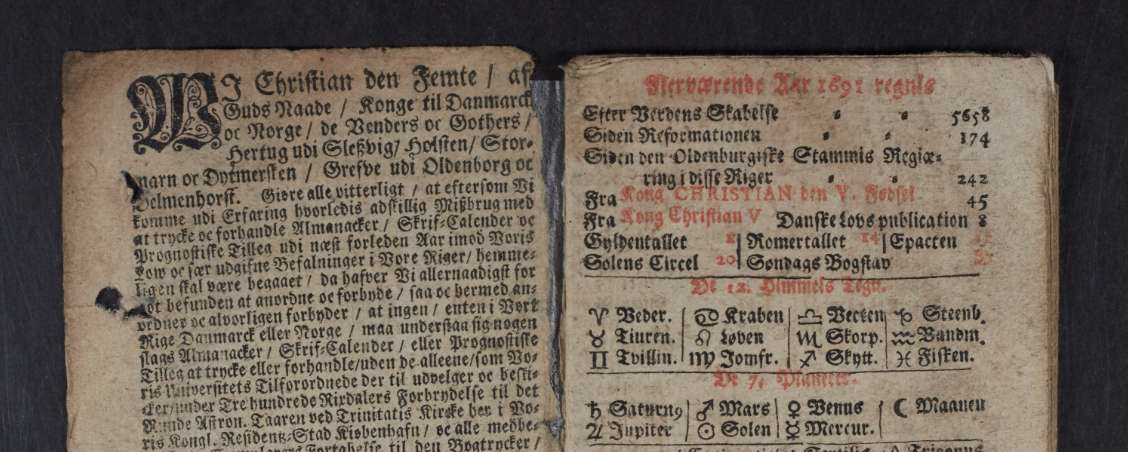
Records from a lesser-known conflict
From 1688 to 1697, large parts of Central and Western Europe were embroiled in what became known as the Nine Years’ War, or in Scandinavia, the Palatinate War of Succession. The conflict saw fighting spread across the Low Countries (modern-day Belgium, the Netherlands and Luxembourg) and the Rhineland (in modern-day Germany), drawing in the major powers of the age in an effort to contain the expansion of King Louis XIV’s France.
During my placement, I worked on papers that came from ships captured by the English during the Nine Years’ War, that all had a very particular journey to The National Archives. During wartime, privateers and naval vessels captured enemy shipping and had to then prove the legality of their captures. For English ships they had to present evidence before the High Court of Admiralty in London. Every document found aboard a captured vessel could serve as potential evidence of ships and cargo belonging to enemy nations.
As a result, papers from ships captured by the English were meticulously preserved and are still kept at The National Archives today as part of a collection called the Prize Papers (a prize being a captured ship). These records date from 1652–1815 and include as many as 500,000 documents in over 20 languages, including letters sent as mail, ships’ papers and even small objects.
Click here for the full press release