Resource-efficient cities: vital step towards urban sustainability in Europe
11 Dec 2015 12:16 PM
Cities increasingly require and use natural resources and energy to sustain daily life and activities of the urban population. Their impacts are felt across the globe. But cities can also be designed and changed in ways to offer opportunities to reduce resource needs and environmental impacts. Three new reports by the European Environment Agency (EEA) take a closer look at what a resource-efficient city is and what cities can do to enhance urban sustainability while improving the well-being of their residents.
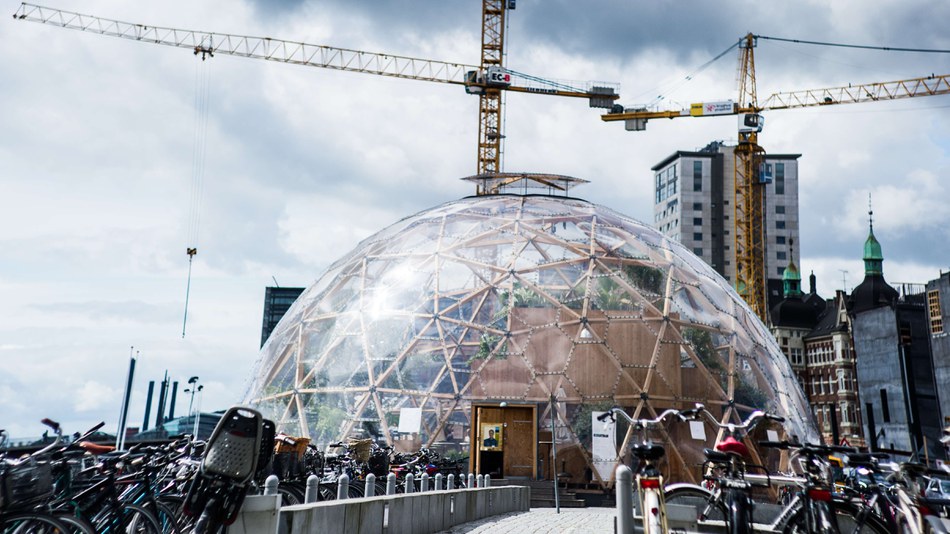
Fig. 1: Image © Inez Dawczyk, Picture2050 /EEA
Three quarters of Europeans and more than half of the world population live in cities. They are places where people come together, work, trade, produce, enjoy social interaction, study and innovate. Like living organisms, cities require considerable flows and stocks of resources (such as energy, fuel, metal, wood, water, food, materials for buildings and infrastructure and land). After ‘use’, the residues are then discharged to the environment, in the form of air emissions, liquid and solid effluent and waste materials. These ‘outflows’ often exert significant pressures on human health and natural environments located well beyond the surroundings of cities.
Given their importance in our society and economy, increasing the resource efficiency of cities - producing greater economic value and wellbeing with less resource and less waste - would not only help alleviate the impacts on the environment and human health, but also support the transition towards a green, circular economy.
The three EEA reports ‘What is a resource-efficient city?’, ‘Resource-efficient cities: good practices’ and ‘Enabling resource-efficient cities’ address the following issues:
- Why resource-efficient cities matter?
- What are the main challenges and what can be done?
- What solutions can be implemented on different scales (time and space) and across sectors?
- What are the main drivers making urban transformation possible?
- How can cities be governed to achieve the transition to resource-efficient urban areas?
- How can the society be involved in the decision making process?
The reports conclude that an effective solution to urban sustainability requires an alignment of visions and strategies across governance structures, the implementation of which needs to be adapted to the characteristics of the city in question (e.g. geography, economy, climate, natural capital and social capital).
Selected highlights from the reports
- Resource use per person in urban areas is actually lower than in sparsely populated areas. Higher population density, proximity to businesses, reduced transportation needs, all associated with well-designed compact cities, can boost urban sustainability.
- To make cities more resource-efficient, different but inter-dependent components of the urban system, such as energy, housing, transport, waste management, public spaces, and green areas, need to be changed simultaneously.
- The way cities have grown has had an impact on how people live, work and move. This has led to an expansion of grey infrastructure systems (roads, metro, railways, buildings, etc.). Green infrastructure planning would reverse this trend.
- Governance and policy-making processes play a role in determining the ability to implement efficient integrated urban planning and to design a vision for the future.
- The main challenge is to avoid conflict between actions taken at different levels and by different actors. Adopting strategic frameworks that set out targets for the future can act as a driving force for change.
Resource-efficient and sustainable cities are identified as a priority in a number of EU initiatives and policies measures, including the Europe 2020 Strategy and the 7thEnvironment Action Programme. The reports aim to enhance the knowledge base in this area and support policy development and decision making related to urban management at local, city and regional levels.