Russia Has Not Avoided Mobilisation: It Has Normalised It
29 Sep 2026 02:23 PM
Vladimir Putin never formally ended his 2022 partial mobilisation. The question is not whether he orders another, but how long its quieter replacement can hold.
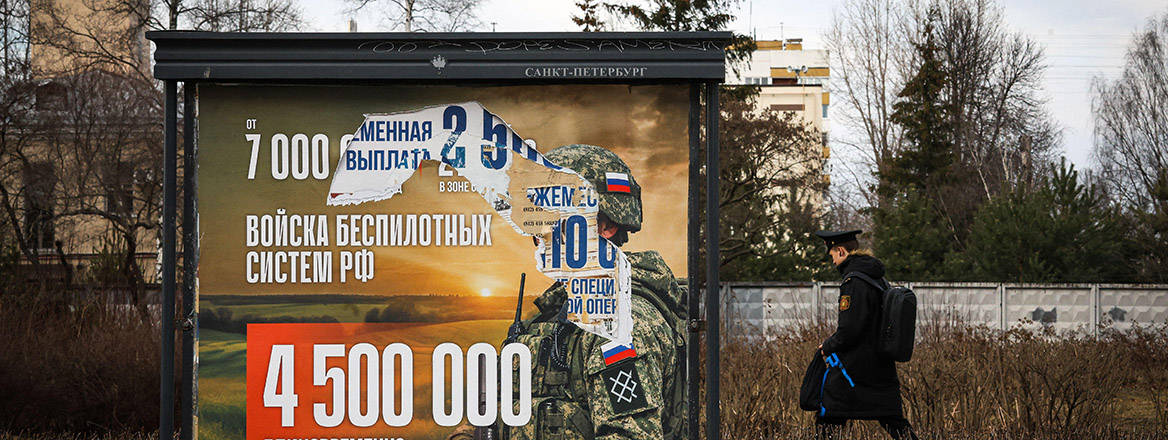
In 2022, the Kremlin called up around 300,000 reservists, triggering the largest flight of Russian men since the Soviet collapse. The decree has never been formally rescinded. Officials announced that the call-up was complete that October, but no demobilisation decree followed, with the Kremlin maintaining that none is legally required. Yet for months before this year’s election, another nationwide mobilisation remained a persistent concern. Reports of men considering whether to leave the country before polling day suggested that fears of another mobilisation had gained traction. Dmitry Medvedev, deputy chairman of the Security Council, dismissed the speculation as ‘nonsense’, and emphatic official denials showed that the prospect remained politically sensitive.
Yet, framing the issue as whether mobilisation will be re-announced misses what has happened since 2022. The Kremlin did not solve its recruitment problem. Instead, mobilisation was converted from a single visible political event into a permanent process, pushed down to regional governments and directed at Russians least able to refuse. The question is therefore whether this system has made another nationwide call-up unnecessary, or whether it is now beginning to strain.
Click here for the full press release