Russia’s Most Dangerous Military Adaptation Is Recovery
8 Sep 2026 01:25 AM
Russia is learning how to restore command, targeting and sustainment after disruption. NATO should measure success by how long the military function stays unavailable.
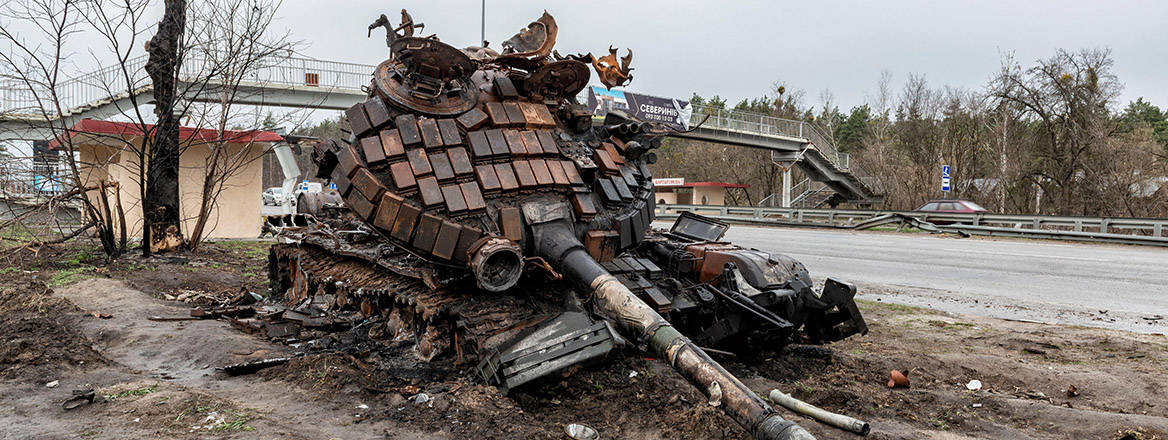
In August, the commander of Russia’s 76th Guards Air Assault Division told Vladimir Putin that his formation was conducting combat operations ‘virtually without interruption’ while battalions undergoing restoration of combat readiness continued training. The claim was Kremlin messaging and should not be taken at face value, but the formulation is revealing: restoration was presented not as something that happens after combat ends, but as a process conducted while the larger formation remains in the fight.
Western analysis has become much better at tracking Russian adaptation, learning and military reconstitution. Yet the operational problem between destruction and longer-term reconstitution remains comparatively under-examined: after NATO disrupts a Russian headquarters, reconnaissance-strike system or logistics network, how quickly can Russia restore enough of the function to resume purposeful action?
Click here for the full press release