The Dismissal of Ukraine’s Defence Minister
21 Jul 2026 12:40 PM
Fedorov’s removal leaves critical issues unresolved between the Defence Ministry and General Staff.
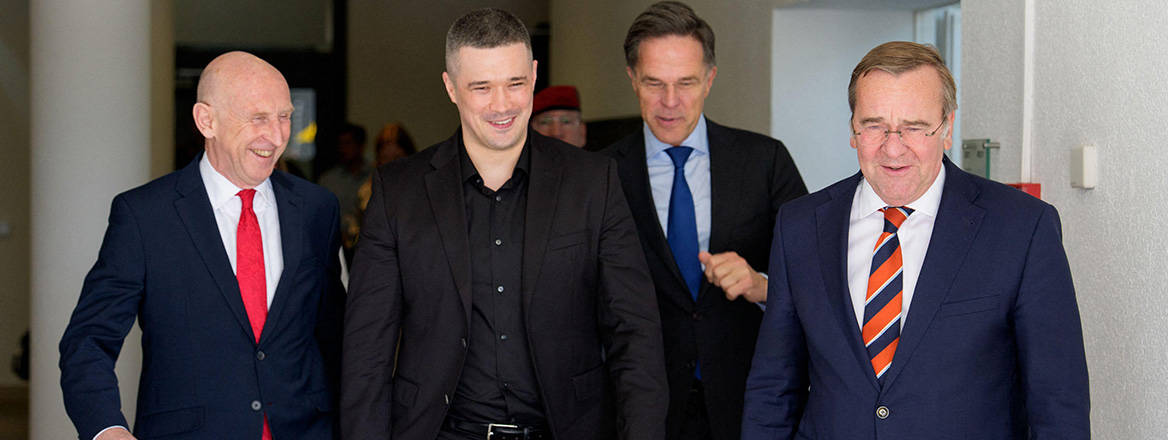
The removal of Ukrainian Defence Minister Mykhailo Fedorov sparked protests across the country. Initially presented by President Zelesnky as the result of a personal clash between Fedorov and Ukraine’s Command-in-Chief General Oleksandr Syrsky, the political crisis in fact straddles a substantive debate about the future of Ukraine’s way of war, and the character of the Ukrainian state. Fedorov’s dismissal will not settle that debate; but Ukrainian civil society might.
Reform and Force Development
When Fedorov was appointed to the Ministry of Defence in January 2026 he was far from a stranger to the issues facing Ukraine’s defenders. From his previous post as First Deputy Prime Minister and Minister for Digital Transformation he had overseen Ukraine’s scaling of UAV production and employment, the use of incentive structures to prioritise targeting, and the digital networking of its forces that has underpinned Ukraine’s ability to inflict sustained and heavy losses on the Russian military. As a member of Stavka he was also acutely aware of the strain the military was under, including an inadequate conversion of recruits into infantry, the limited scale at which operations could be planned and executed and the desperate need to retain the technological edge against a larger adversary.
Fedorov therefore arrived at the defence ministry with a plan and, armed with a mandate from Parliament, set about aggressively implementing it. After an initial audit of Ukrainian unit performance, he concluded that of Ukraine’s 120 brigades, around a sixth suffered disproportionately from poor leadership, leading to sustained underperformance on the battlefield. He therefore proposed to consolidate these brigades, reallocating their personnel to the better led units that were often chronically short of manpower, rather than having to push recruits to replace losses in units whose performance was unlikely to improve.
Click here for the full press release