The End of Orbánism? Bosnia, Magyar and Europe’s Strategic Credibility
15 Jun 2026 12:04 PM
Viktor Orbán’s electoral defeat removes one of the most important European patrons of secessionist and illiberal actors in Bosnia and Herzegovina. Will Peter Magyar’s government change course?
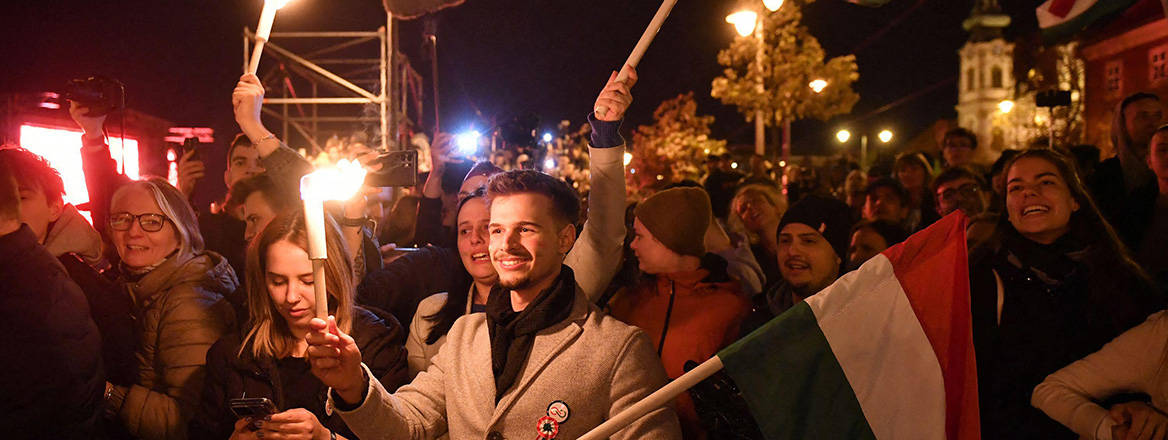
When Péter Magyar won Hungary’s national elections on 12 April, Europe breathed a sigh of relief. After 16 years in power, Viktor Orbán and his Fidesz government suffered a decisive defeat. Magyar’s Tisza Party secured 138 of 199 parliamentary seats, delivering a result that resonated far beyond Hungary itself. From Berlin to Kyiv, the outcome was seen as a potential turning point: the end of Europe’s foremost laboratory of illiberalism and, with it, the prospect of renewed EU cohesion and more unified decision-making at a moment of mounting geopolitical pressure on the continent.
However, Orbán’s defeat represents more than a setback for Europe’s illiberal right. In Bosnia and Herzegovina, the Hungarian leader served as one of the most influential external patrons of authoritarian and Kremlin-aligned actors in Republika Srpska (RS), one of the country’s two entities established under the Dayton Agreement. Through political backing, economic ties and diplomatic shielding within the EU, Budapest became an important pillar sustaining the region’s secessionist and destabilising currents.
Click here for the full press release