Understanding the Relaxation of Japan’s Defence Export Rules
7 May 2026 11:59 AM
Takaichi is doubling down on the strategic bet made by Abe, that the benefits of a more self-reliant defence posture and engaged international security role outweigh the costs.
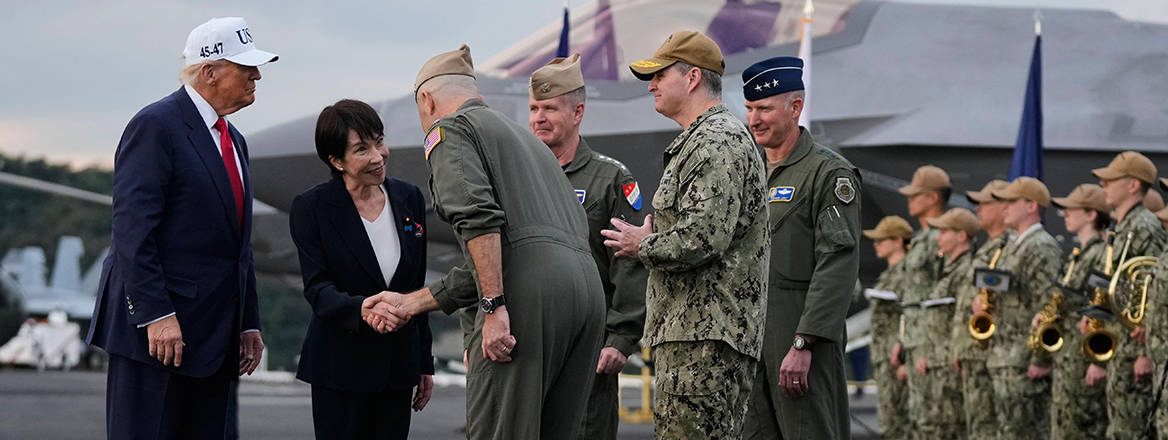
The announcement on 21 April that Japan has relaxed self-imposed limits on exporting lethal weapons comes as just one more sign that the country is breaking with foreign and security policy principles it largely followed since the 1950s; rely on the US for military security and maintain minimal armament in order to focus on economic growth, while avoiding involvement in international disputes. Despite the fact this so-called ‘Yoshida Doctrine’ (after post-war PM Yoshida Shigeru) has been dismissed as ‘an analytical concept created by researchers to justify Japanese foreign policy in the 1980s’, this divergence from the ‘Yoshida line’ remains significant and raises three questions: Why has the shift accelerated? Where is Japan headed? What does it mean for Japan’s friends and adversaries?
The details of this policy change have been ably explained elsewhere. In sum, it brings Japan to a position where it is not substantially any more restricted than most other countries on the export and joint development of lethal weapons. Remaining caveats and exceptions are largely at the discretion of the Prime Minister and cabinet, and do not even require prior legislative approval.
Click here for the full press release