Why Kazakhstan Joined Both the American and Chinese AI Initiatives
26 Oct 2026 12:43 PM
Kazakhstan did not choose between Washington’s Pax Silica and Beijing’s WAICO: it joined both. It needs technology from both superpowers, and a say in the rules.
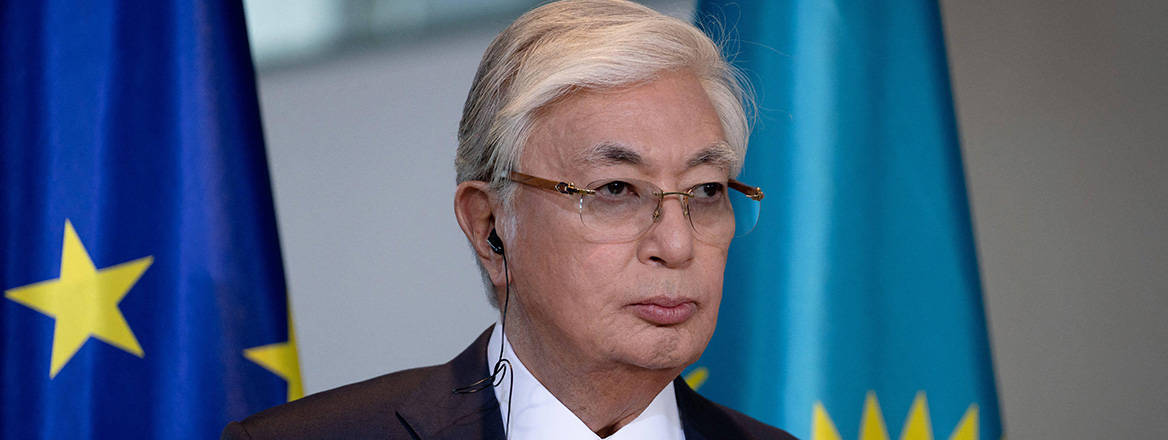
‘No country should remain only a consumer of artificial intelligence,’ Kazakhstan’s President Kassym-Jomart Tokayev told the opening ceremony of the World Artificial Intelligence Conference in Shanghai on 17 July. Every state, he said, should have the opportunity to build its own digital infrastructure and institutional capacity.
He stood at Xi Jinping’s right for the group photograph, sat beside him through the session and spoke second, ahead of two prime ministers and the UN Secretary-General. He opened in Mandarin. Such arrangements are settled in advance.
The day before, 29 governments had signed the founding agreement of the World Artificial Intelligence Cooperation Organization (WAICO), to be headquartered in Shanghai. Kazakhstan was among them.
Three weeks earlier, the country’s AI minister, Zhaslan Madiyev, had been in Washington signing the Pax Silica declaration, the State Department’s initiative on AI and supply chain security. Of the 25 signatories, Kazakhstan is so far the only one that also belongs to WAICO.
Kazakhstan does not produce the core technology it is trying to acquire for its AI agenda. What a country in that position can build, and what it has to trade to do it, is a question most of the world will face. Yet the reporting concentrates on the AI race between Washington and Beijing, and much less on what everyone else is doing.
Click here for the full press release