Why Serbia’s Election Matters to Israel’s Arsenal
2 Oct 2026 10:55 AM
Israel’s next defence headache may have little to do with Iran, Gaza or Hezbollah. It could begin in Belgrade.
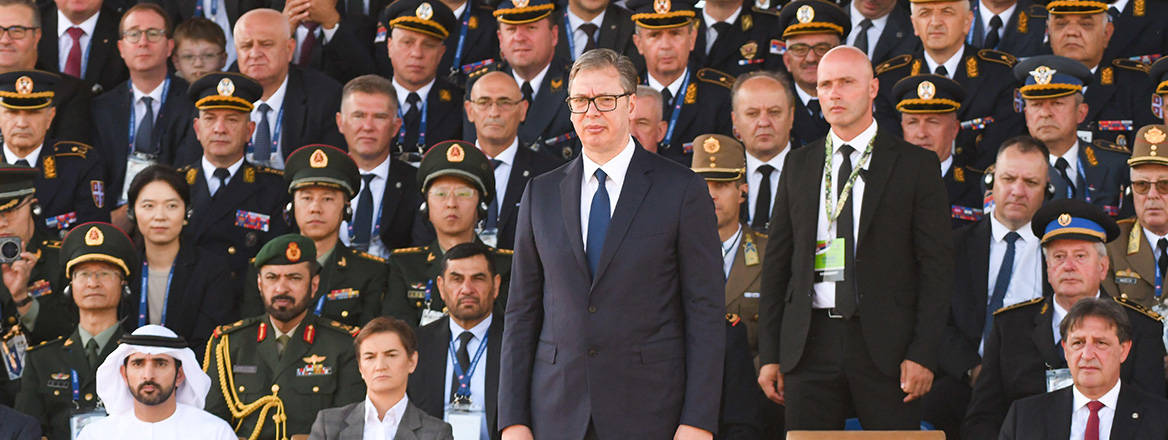
The upcoming snap elections in Serbia on 25 October mark a critical juncture in the country’s political landscape. Called amid heightened political polarisation, prolonged public protests and intense institutional pressure, the vote is widely seen as a major test for President Aleksandar Vučić and the ruling Serbian Progressive Party (SNS). The decision to head to the polls prematurely follows months of societal tension, rising economic demands and an increasingly vocal opposition seeking to capitalise on growing public discontent.
Locally, the ramifications of this vote extend far beyond a mere allocation of parliamentary seats. A shift in the political balance could trigger policy re-evaluations, administrative turnover and shifting legislative priorities across key state industries. In a country where central authority heavily influences economic and industrial planning, domestic political friction directly affects governance, regulatory predictability and institutional continuity.
Yet, while the immediate focus remains on Belgrade’s political future, the consequences of this domestic contest extend far beyond the Balkans.
Serbia’s election matters to Israel because political continuity in the country, or a lack thereof, could be a test for a European defence-industrial partnership of ever greater strategic significance. Serbia is not just a friendly government or another arms customer. It is a potential production hub within a wider network that could give Israel a broader production base during a prolonged conflict.
The vote is, therefore, a strategic question for Jerusalem, not just another political episode in the Balkans.
Click here for the full press release