RUSI
 Printable version Printable version
|
Armenia’s Election and the Future of Security in the South Caucasus
Testing Armenia’s Prime Minister Nikol Pashinyan, future integration with Europe is a live issue in the country’s first election since military defeat in Nagorno-Karabakh.
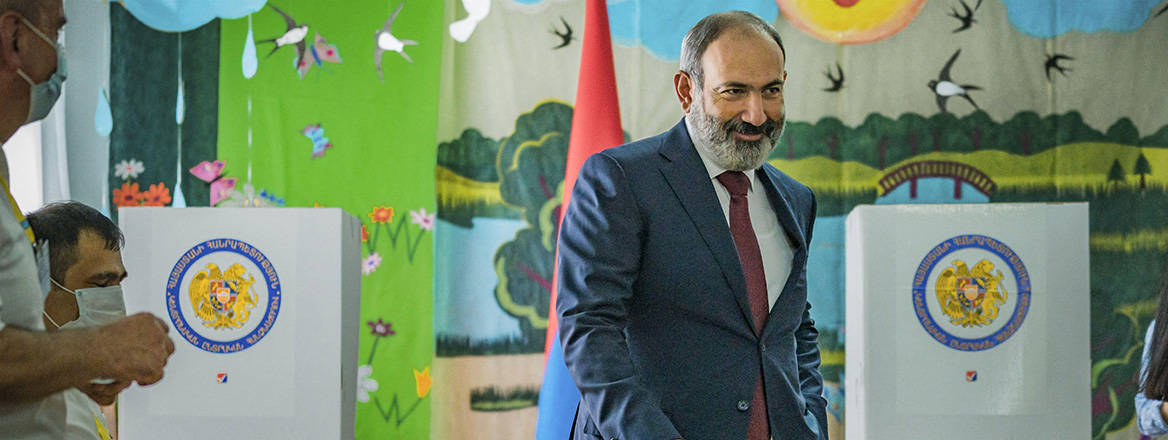
Armenia’s parliamentary election is significant beyond its domestic political context. The vote will test whether Yerevan can sustain a strategy of strategic diversification after the re-establishment of Azerbaijani control over Nagorno-Karabakh while balancing Russian pressure, growing Western engagement and an unfinished normalisation process with Azerbaijan and Turkey. The result is unlikely to produce a clean geopolitical realignment; but it may show whether Armenia can create greater strategic space for itself in a region where security has long been shaped by dependency and external competition.
Armenia’s Election in the Shadow of Karabakh
This is Armenia’s first national election since Azerbaijan’s recapture of Nagorno-Karabakh in 2023 and the forced displacement of more than 100,000 Armenians from the region. The vast majority of those displaced have since settled in Armenia proper, creating a significant demographic shift and making their integration and state support an important political issue. The vote follows a period of strategic shock that has reshaped Armenian politics and fundamentally altered the country’s foreign policy debate.
Domestically, the election will test support for Prime Minister Nikol Pashinyan’s post-war strategy and whether his government retains legitimacy after military defeat and national trauma. Regionally, it will indicate whether Armenia can continue reducing dependence on Russia while maintaining a fragile normalisation process with Azerbaijan and Turkey. More broadly, it will show whether Pashinyan has public backing for deeper engagement with European partners without provoking destabilising external pressure.
The stakes extend beyond party politics. Armenia’s strategic choices now have implications for multiple regional actors, and the direction of Yerevan’s foreign policy will shape expectations for security, connectivity and political influence across the South Caucasus.
Click here for the full press release
Original article link: https://www.rusi.org/explore-our-research/publications/commentary/armenias-election-and-future-security-south-caucasus