


RUSI
 Printable version Printable version
|
New START Expiry: Implications for Europe
The expiry of New START could further undermine the credibility of US extended deterrence and complicate European and US efforts to strengthen conventional deterrence.
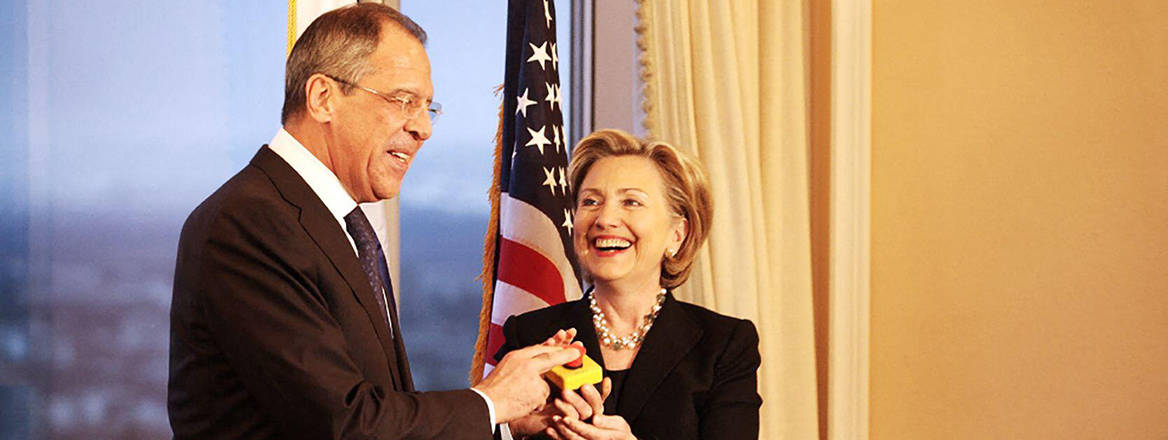
Today, 5 February 2026, the last US-Russian arms control agreement – the New Strategic Arms Reduction Treaty (New START) – expired. Concluded in 2010, the Treaty placed quantitative limits on warheads deployed on US and Russian strategic delivery systems (ICBMs, SLBMs and heavy bombers), as well as on the numbers of deployed and non-deployed strategic launchers. New START also provided for extensive reporting, verification and risk reduction measures to support the Treaty’s effective implementation. New START was the last remaining piece of arms control infrastructure between Russia and the US; Washington withdrew from the Anti-Ballistic Missile (ABM) Treaty in 2002 and the Intermediate Nuclear Forces (INF) Treaty in 2019 (citing Russian violations), with Moscow withdrawing from the Conventional Armed Forces in Europe (CFE) Treaty in 2023.
Russia suspended its ratification of New Start in 2023; today, the Treaty officially expired. At the last minute, reports emerged that the US and Russia were nearing an agreement to extend the terms of the treaty for a limited amount of time. At the time of drafting, the details of the reported agreement (for instance, whether it would include compliance with quantitative limits only or if it would also see the resumption of data exchanges and inspections), or the likelihood that it would concluded at all, were not clear. As one US official is reported to have noted, any continued compliance with New START limits would have to rely on a ‘handshake’ deal, seeing as the Treaty does not allow for further formal extensions. Regardless, this comes as a welcome development, in a strategic environment in which both Moscow and Washington both have incentive to expand their strategic capabilities.
However, should the New START and the limits it placed on US and Russian strategic forces indeed collapse, the direct impacts of New START for Europe are likely to be limited – at least in the short term. The treaty did not address the systems of most direct concern to Europe – namely, theatre nuclear forces – and neither Russia nor the US is in a position to begin a major nuclear buildup. What is of greater importance than the end of the treaty itself are the strategic conditions that accompany its expiry, which persist and which will determine key features of Europe’s security environment.
Original article link: https://www.rusi.org/explore-our-research/publications/commentary/new-start-expiry-implications-europe
.png "Executive AI Leadership Programme for the UK Public Sector")


