RUSI
 Printable version Printable version
|
Old Borders, New Battles: Thailand, Cambodia and an Unfinished War
Rooted in centuries of history, the border conflict between the two countries is set to flare up again unless underlying causes are addressed.
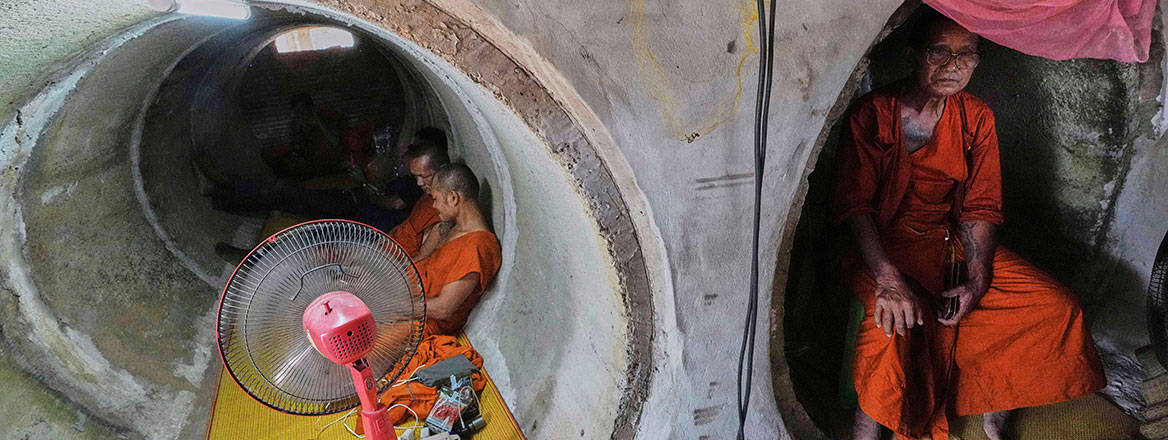
The recent ceasefire and ongoing talks between Thailand and Cambodia are fragile bandages over a long-festering wound. It was brokered by Malaysia – and closely observed by China and the US, along with other Southeast Asian countries – after weeks of escalating military clashes, a politically explosive phone call, and open hostilities that threatened to turn a simmering border dispute into a regional conflagration. The current calm is welcome, but may prove temporary. Without reckoning with deeper historical, domestic political and geopolitical dynamics driving this conflict, it is only a question of when, not if, we will see another round of confrontation.
A Deep Historical Divide
The roots of today’s dispute go back to the days of the Khmer Empire, which dominated much of mainland Southeast Asia from the 9th to 13th centuries, including large parts of present-day Thailand. As the Khmer Empire declined, the rise of Siam (precursor to modern Thailand) brought a reversal of fortunes. Over the ensuing centuries, much of the territory now contested, including key temples and other sites sacred to many on both sides, fell under Siamese control.
This back-and-forth dynamic continued until France, having established itself as the colonial power in Cambodia in the late 19th century, sought to formalise borders in Indochina. The 1907 Franco-Siamese Treaty redrew the map, jeopardising Thai control over several religious and culturally significant sites, including the famous Preah Vihear Temple. Thailand (then still Siam) signed the treaty, but resentment and controversy lingered.
The temple and surrounding areas became the symbolic and strategic epicentre of territorial contention. During the Second World War, when France was under Nazi occupation and Japan had gained control over most of Southeast Asia, Thailand seized the opportunity to occupy much of the disputed borderland. After the war, Thailand was evicted from these areas, but the trauma of that reversal lived on in nationalist memory.
Click here for the full press release
Original article link: https://www.rusi.org/explore-our-research/publications/commentary/old-borders-new-battles-thailand-cambodia-and-unfinished-war