RUSI
 Printable version Printable version
|
US Weapons and European Capability Gaps
NATO allies aiming to increase independence from Washington should focus on generating European capacity in areas where only the US military can currently perform key missions.
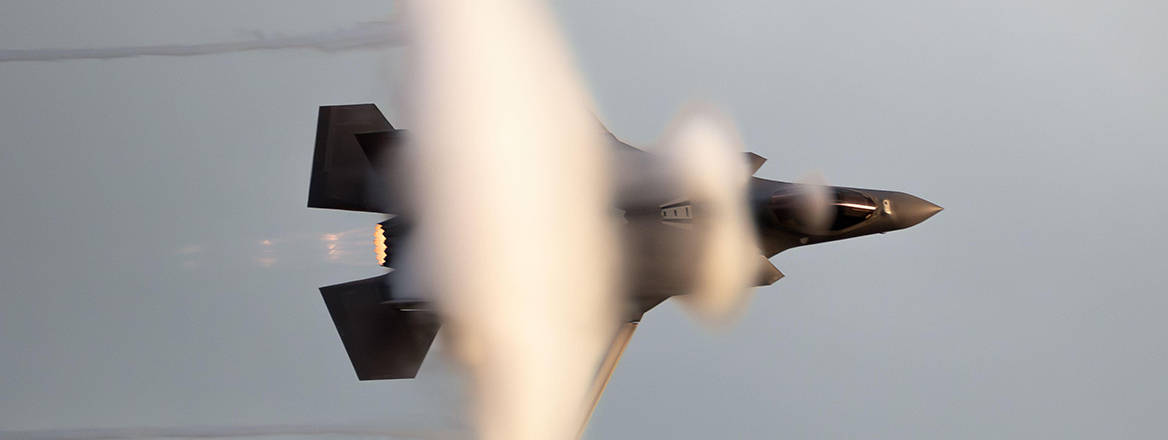
The recent NATO Summit was almost entirely defined by the ambitious spending pledge to spend 3.5% of GDP on core defence expenditure by 2035. This radical increase in spending commitments was partly driven by a widespread recognition of the long overdue need for Europe to pay more toward its own defence in the face of a rapidly increasing Russian threat. However, it was also due to the urgent need to keep a radically transactional US Administration engaged at the core of the Alliance. Following these commitments, countries now face the question of how to spend the funding they have pledged to ramp up through the coming decade.
There will be significant competing pressures from armed services, defence ministries, governments and industrial players across NATO. Each will attempt to frame the challenges and requirements in such a way as to make the case for their preferred acquisition and force design options. However, one question will likely dominate – to what extent should non-US NATO members prioritise acquisitions and force structure changes to reduce military and defence industrial dependence on the United States?
Original article link: https://www.rusi.org/explore-our-research/publications/commentary/us-weapons-and-european-capability-gaps