UK Resilience Academy
 Printable version Printable version
|
About UK Resilience Academy
Enabling a resilient society
The risk landscape of the UK is constantly evolving, with more diverse risks than ever before.
To protect our nation from such risks, the UK needs a community of trained professionals and individuals in civil society who have the skills and attributes to meet the challenges of a more unpredictable world.
The UKRA is committed to continually develop its offering, to keep ahead of the curve and support the nation to be better prepared for current and future risks, on a whole of society basis.
The UK Resilience Academy (UKRA) will act as a dynamic catalyst for building societal resilience, enhancing the training and education offer, strengthening professionalisation and fostering greater collaboration.
Resilience is more than an outcome
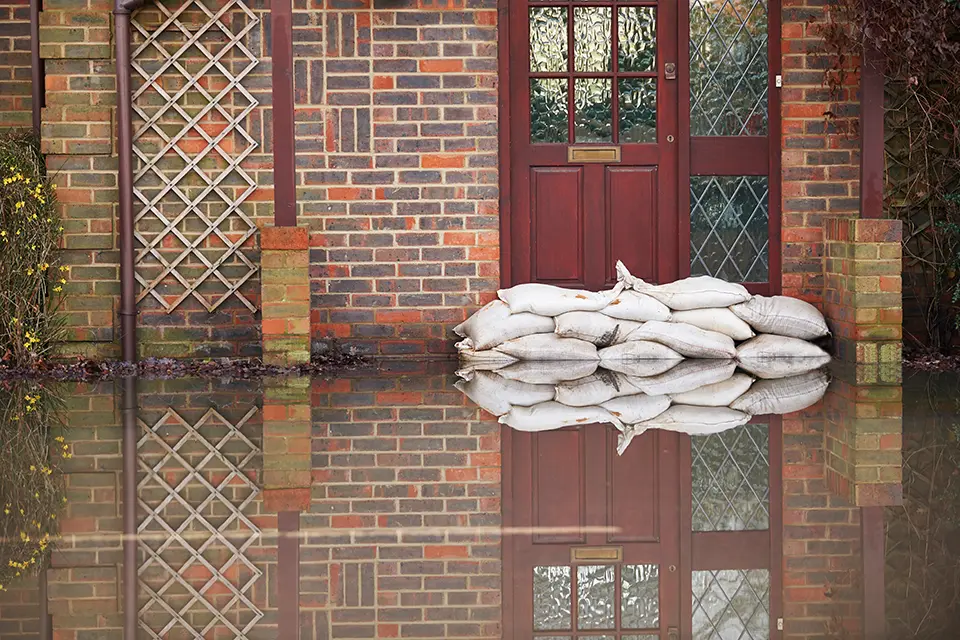
Resilience is not just an outcome or goal; it is also a mindset. The UKRA will be core to making resilience a ‘whole of society’ endeavour.
We will provide learning and leadership, convene relevant conversations and share the tools and knowledge to ensure that governments, emergency planners and the society at large, are equipped to address risks that emerge over time.
While some emergencies are regional, national, or indeed global, all emergencies and crises have local impacts.
We all have a part to play in improving societal resilience.
If you are new to learning about resilience, take a look at our helpful guide.
The guiding principles: of the UKRA
- Collaborating – working together, building stronger partnerships.
- Listening – ensuring our resources are focused to where they can make the most positive impact.
- Enhancing – not replacing but complementing others: greater than the sum of the parts.
- Connecting – actively building bridges across communities of practice.
- Empowering – delivering professional skills and knowledge.
- Improving – influencing behaviours and decision-making for better outcomes.
- Creating – research informed practice.
Why change from the Emergency Planning College (EPC)?
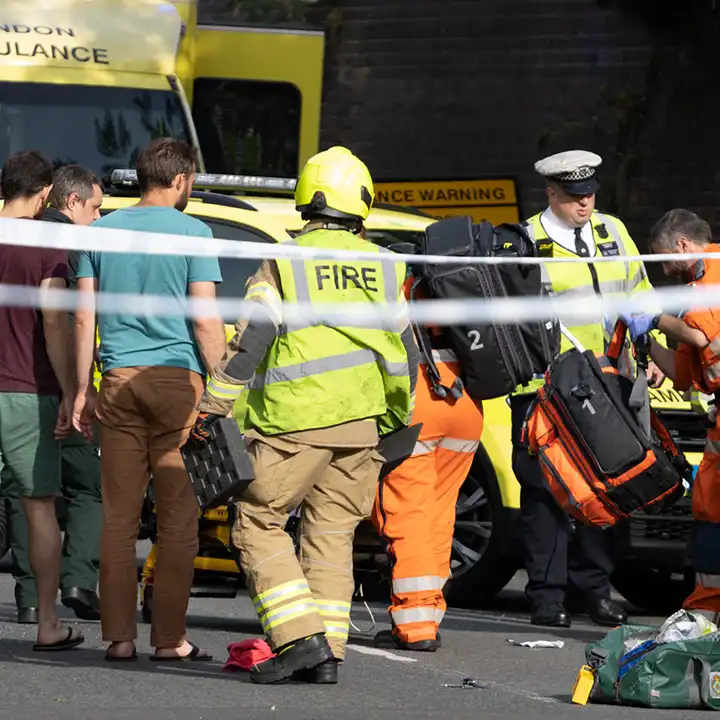
Since the introduction of the Civil Contingencies Act (CCA) of 2004, the risk landscape and complexity has evolved significantly. While the CCA continues to underpin national resilience, the need to enhance collaboration, coordination, and mutual support has increased – with a call for society as a whole to take collective responsibility for resilience.
The transition from the Emergency Planning College (EPC) the UK Resilience Academy (UKRA) represents a strategic shift to professionalise resilience, provide relevant and impactful training and education, and convene rich and vital conversations to continually improve understanding, capabilities and capacities.
Working together, we will facilitate better decisions resulting in better outcomes for the nation and its communities.
Beyond the classroom

The physical campus of the UKRA will remain at the Hawkhills, in North Yorkshire, the previous home of the Emergency Planning College.
While the campus will be the heart of the UKRA, the Academy is expanding its digital and offsite presence, to work with partners both online and at other locations across the UK.
We are building an enhanced educational offer and professional pathways, mapped to refreshed National Occupational Standards for Resilience and Emergencies.
The UKRA also features a new Exercising Hub, to support the National Exercising Programme and encourage collaboration in exercising across organisations.
Who does the UKRA work with?
We work across the resilience community, including central, local and devolved governments, local resilience forums and partnerships, the voluntary and community sector, business, and academia.
The UKRA will also provide knowledge and tools, and signpost to other helpful resources, which will empower society to be better prepared and more resilient.
Original article link: https://ukresilienceacademy.org/about-ukra/?fbclid=IwY2xjawRWzqJleHRuA2FlbQIxMABzcnRjBmFwcF9pZBAyMjIwMzkxNzg4MjAwODkyAAEedYQw-yVnjmX9ryaogySHsTfMrZ1mn_MVzvWzanKAf2ABL5gesS9-ZyCDoHo_aem_68lxXN-AOa7EwoGy9FdBCA