RUSI
 Printable version |
Defence Spending: Challenges for the Budget and Beyond
Funding further increases in defence spending would require hard choices – cutting spending elsewhere, raising taxes or borrowing more – both at this Budget and in the years ahead.
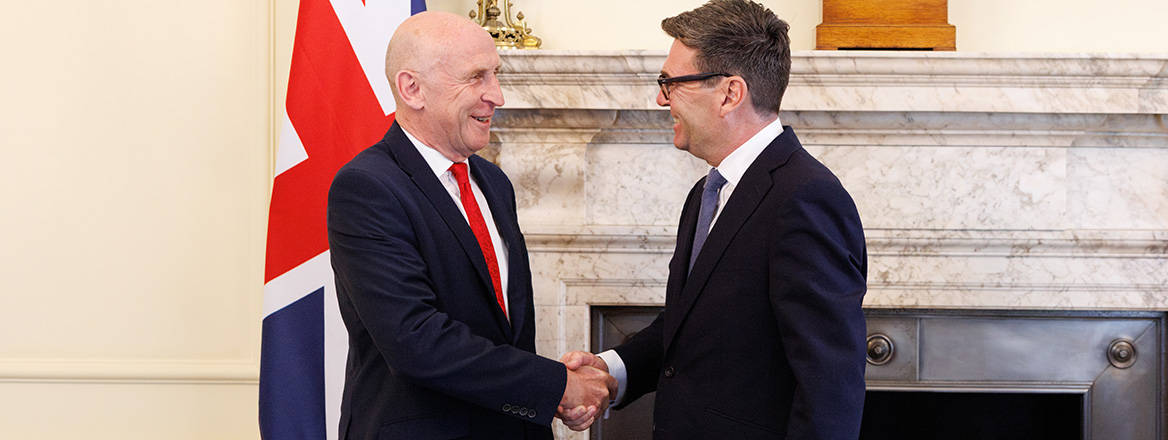
In June this year, John Healey resigned as Defence Secretary over the government’s refusal to increase defence spending further, arguing that 'a headmark date for 3% of GDP on defence in 2030 is what Britain must set'. Now, as Chancellor, he must decide whether to commit to reaching 3% by 2030 – meaning increasing defence spending faster than current plans – and, if so, where any additional money is to come from.
Defence spending has increased substantially in recent years. Existing plans imply that NATO-qualifying spending (a broad measure including most Ministry of Defence spending, along with military pensions and some spending on intelligence agencies) will reach 2.7% of GDP by 2027–28, up from 2.1% in 2023–24. But there is clear pressure for the UK to go further and faster. The government has committed to spend 3% of GDP on defence at some point in the next parliament, and 3.5% by 2035 alongside NATO Allies. (NATO Allies also committed to spend an extra 1.5% of GDP on wider 'resilience and security' by 2035, but the government has suggested this would be met within pre-existing spending plans, so here we focus on 'core' defence spending.)
While the UK has increased spending considerably, some other NATO countries have moved further and faster. Poland spent a similar share of GDP on defence to the UK four years ago, but by 2025 had increased defence spending to 4.3% of GDP. Germany is also planning to increase defence spending faster than the UK, and overtook the UK as having the second -largest defence budget in NATO in 2024.
Further increases could be expensive. Even before any new commitments, the government still needs to find an average of £1.2 billion per year to fully fund top-ups announced alongside the Defence Investment Plan in June. Reaching 3% of GDP on defence by 2030–31 would require around £11 billion of additional spending in that year, relative to keeping defence spending at 2.7% of GDP. Going further to 3.5% would require an even larger, and more sustained, increase.
The central question – at both this Budget and next year's Spending Review – is how the government will reconcile its defence ambitions with an already-challenging fiscal outlook, a commitment to reduce the size of the deficit and substantial pressures to increase spending on other public services. The government could fund higher defence spending through cutting spending elsewhere, increasing taxes or raising borrowing. But all three look challenging.
Original article link: https://www.rusi.org/explore-our-research/publications/commentary/defence-spending-challenges-budget-and-beyond