RUSI
 Printable version Printable version
|
Should Europe Start Talking to Russia?
How to negotiate with Putin, and what to discuss?
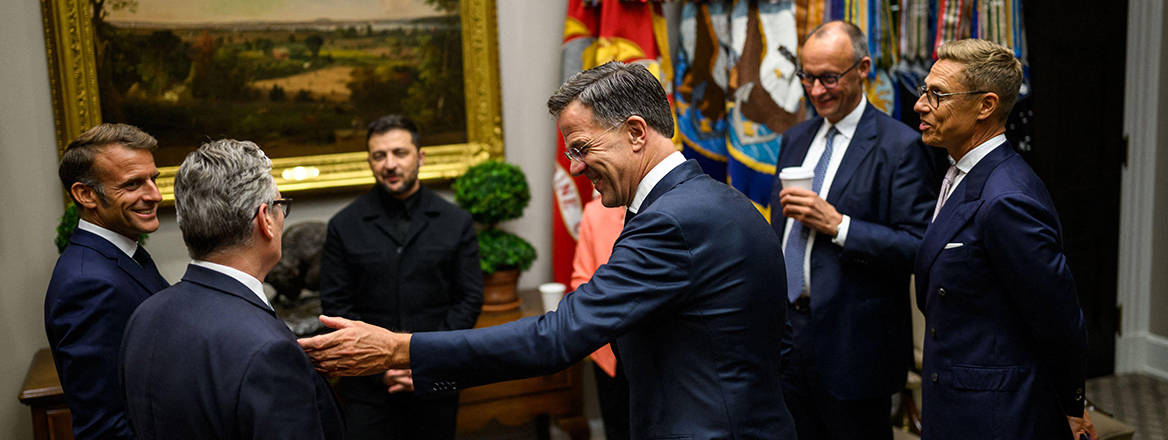
Should European countries resume dialogue with Putin? Some European leaders support the idea; others are opposed. The reasons for this split are fundamental, and reflect underlying questions about Europe’s security. As Putin’s war drags on into its fifth year, this article sets out key considerations for European governments deliberating their interests.
It is often said that all wars end in a negotiation. That is not quite true. Some wars end with the capitulation of one side and victory for the other – this is what Putin wants from his war against Ukraine and his negotiations with Trump. Some wars do not end cleanly but drag on for years. This is what we are likely to get: maybe some kind of ceasefire but one that leads (intentionally on Putin’s part) to a situation of neither war nor peace.
There is no negotiable final settlement to the conflict while Putin is in power since its underlying cause is Putin’s view of Russia, which is not going to change and is incompatible with the security of Russia’s European neighbours. Even so, a negotiated ceasefire may be an acceptable outcome for Ukraine, if one can be agreed on terms that do not fatally compromise Ukraine’s statehood or ability to defend itself against Russia. What happens after a ceasefire is every bit as important as what happens before. A ceasefire with Putin, unless it amounts to Ukraine’s capitulation, will not mean the permanent ceasing of fire and will not mean the end of the conflict. For this reason, it is crucial that the circumstances of a ceasefire strengthen rather than weaken Ukraine’s – or its allies’ – ability to deter future Russian aggression. There is, by definition, zero prospect of Putin agreeing to measures whose purpose is to deter Putin.
Why are Putin and Trump negotiating with each other over Europe’s security, without the Europeans or the UK in the room? It is not because Putin intends to compromise on his goals: the elimination of Ukraine; the reshaping of the post-Cold War European security architecture according to Putin’s wishes; and the realisation of Putin’s Russia as a Great Power equal to the United States and China.
Click here for the full press release
Original article link: https://www.rusi.org/explore-our-research/publications/commentary/should-europe-start-talking-russia