RUSI
 Printable version Printable version
|
US and Israeli Strikes on Iran: Military and Nuclear Proliferation Analyses
For regime change and the elimination of Iran’s nuclear programme through an air-only campaign, the US and Israel will have to contest with many unknowns.
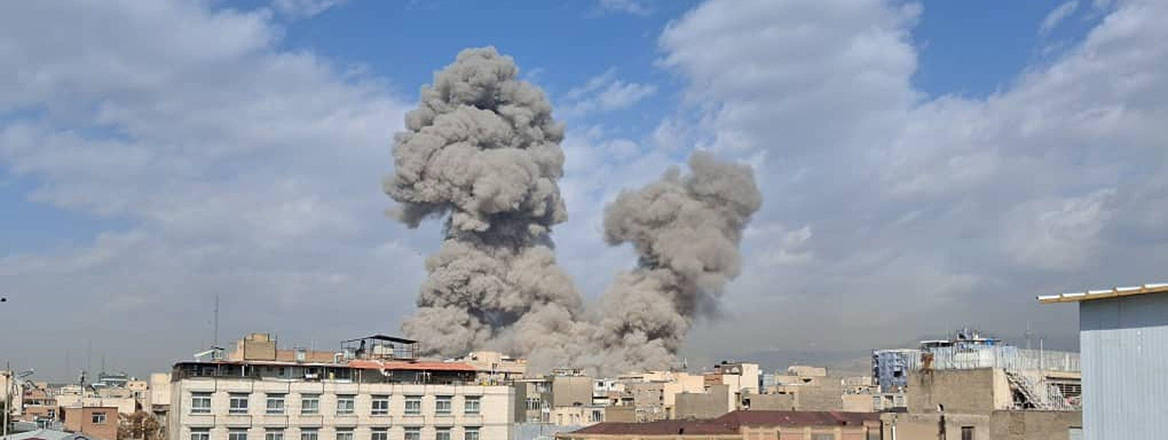
President Trump and Prime Minister Netanyahu seem to be calculating that the Islamic Republic is weak enough that an air-only campaign will be enough to eliminate the twin threat of its missile capabilities and latent nuclear programme while breaking its ability to repress its population. Targets struck so far are reported to be mostly a mixture of senior leadership, missile and conventional military sites, with the impact unclear. It is likely that ballistic missile launchers, cruise missile and navy targets will be the priorities, as they limit the Iranian ability to retaliate; Iranian escalation to inflict unacceptable losses may be their only option if they wish to curtail the campaign. The alternative is to hunker down and hope they can exhaust the Israeli and US capacity to inflict damage, though with the forces assembled, they can probably strike hundreds of targets a day – for now. The Iranian response has been more rapid than in 2025, and broader in terms of striking US regional bases, even at the risk of bringing countries like Qatar, Bahrain, Saudi Arabia and the UAE out in support of the US.
The unknown is whether the regime is genuinely brittle enough that its conventional weakness in the face of US and Israeli firepower will give an opportunity for domestic opposition to come out onto the streets and take their country as President Trump has suggested.
Click here for the full press release
Original article link: https://www.rusi.org/explore-our-research/publications/commentary/us-and-israeli-strikes-iran-military-and-nuclear-proliferation-analyses